3 hr 30 min
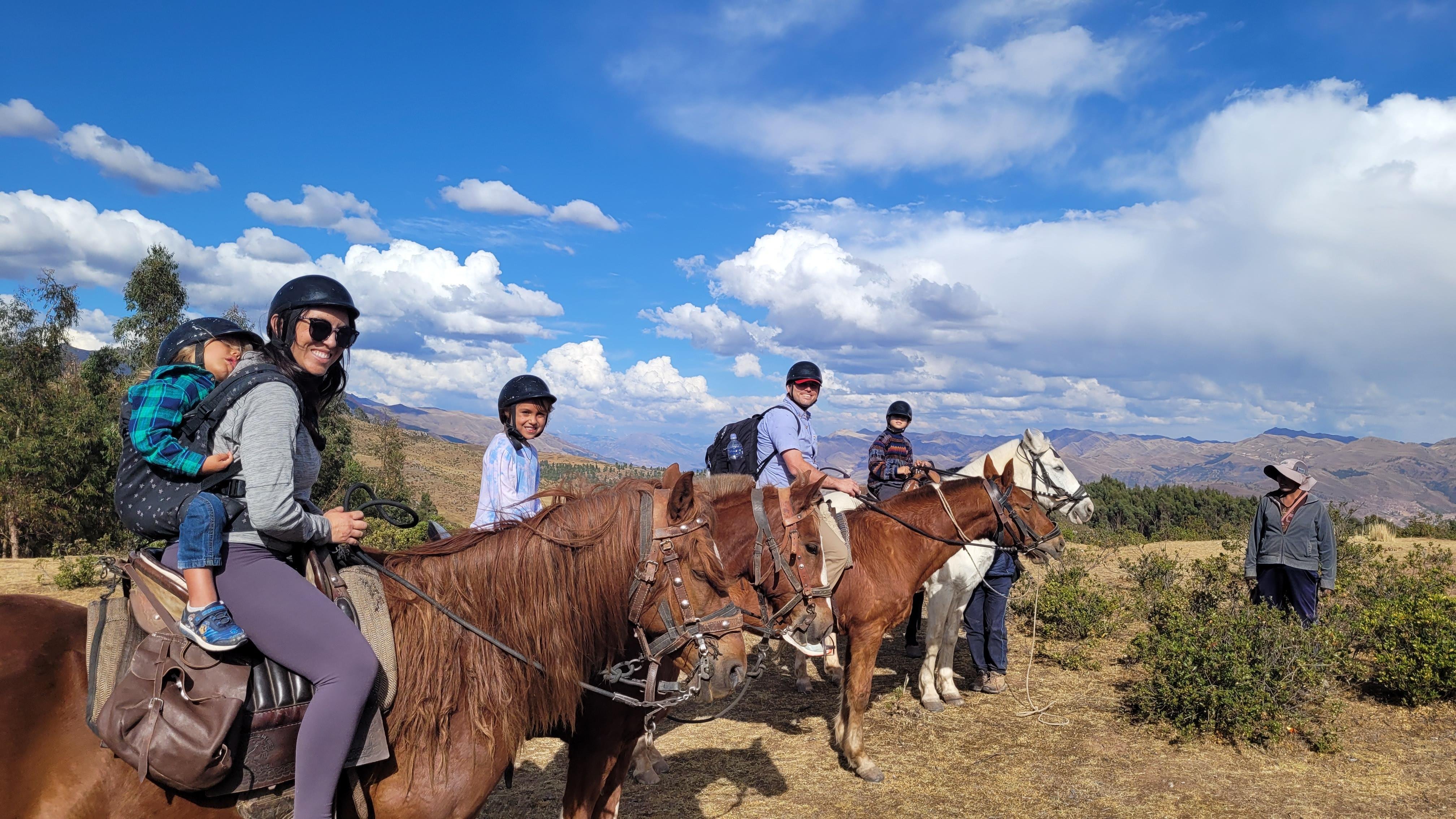
Horseback Ride to Temple of the Moon
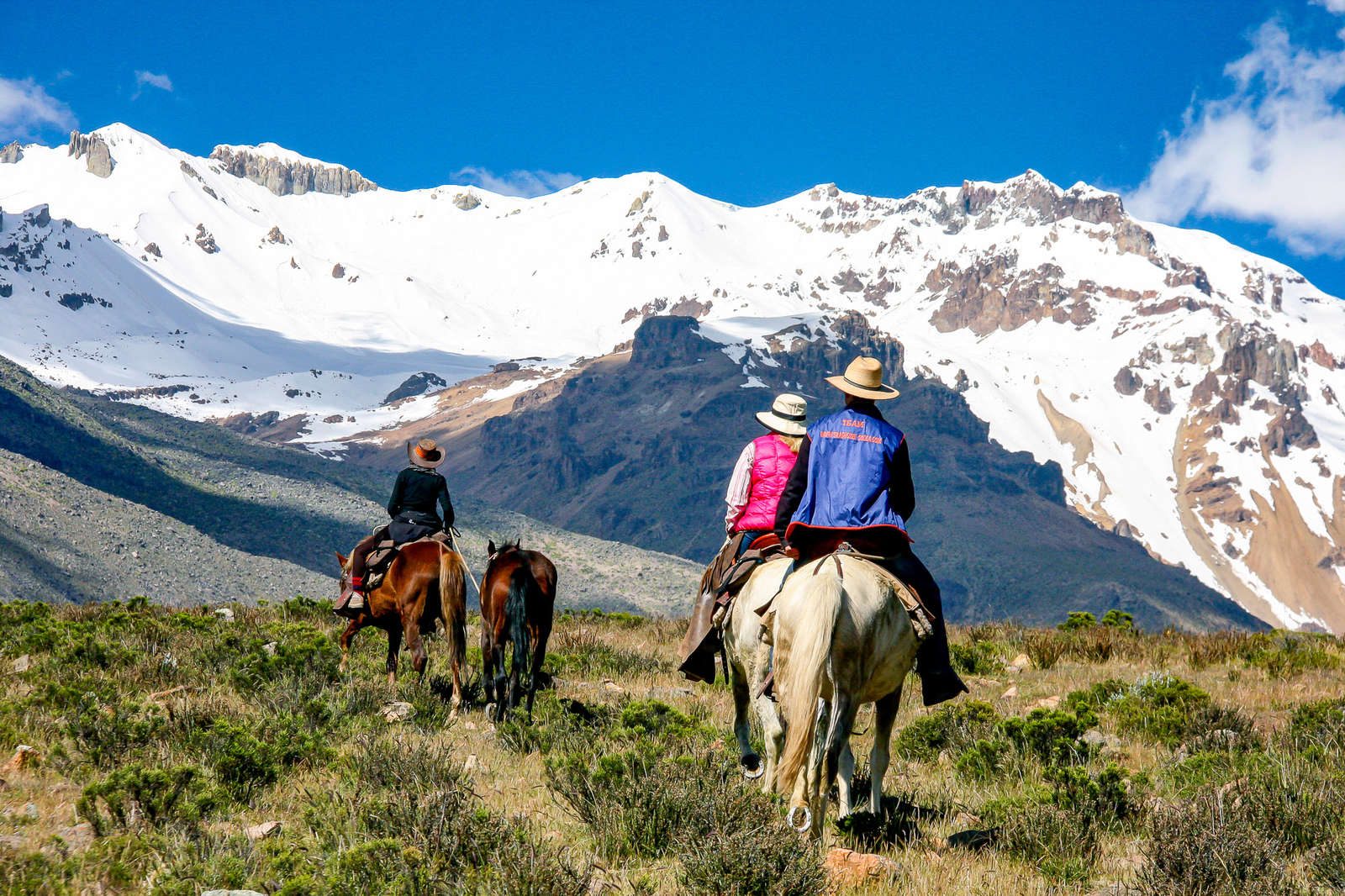
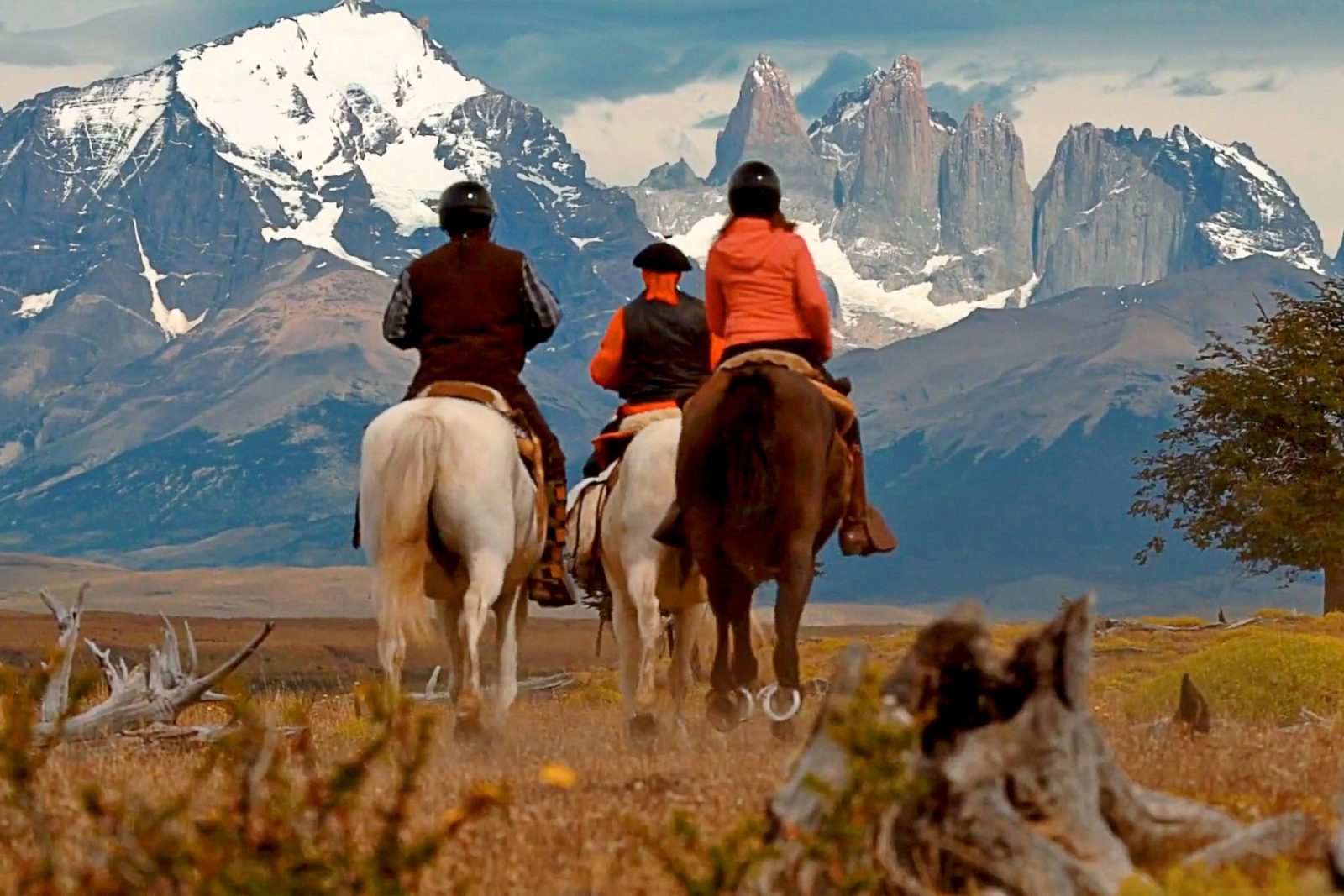
Ride through the Andes on horseback and discover ancient Incan temples with panoramic city views
Reserve
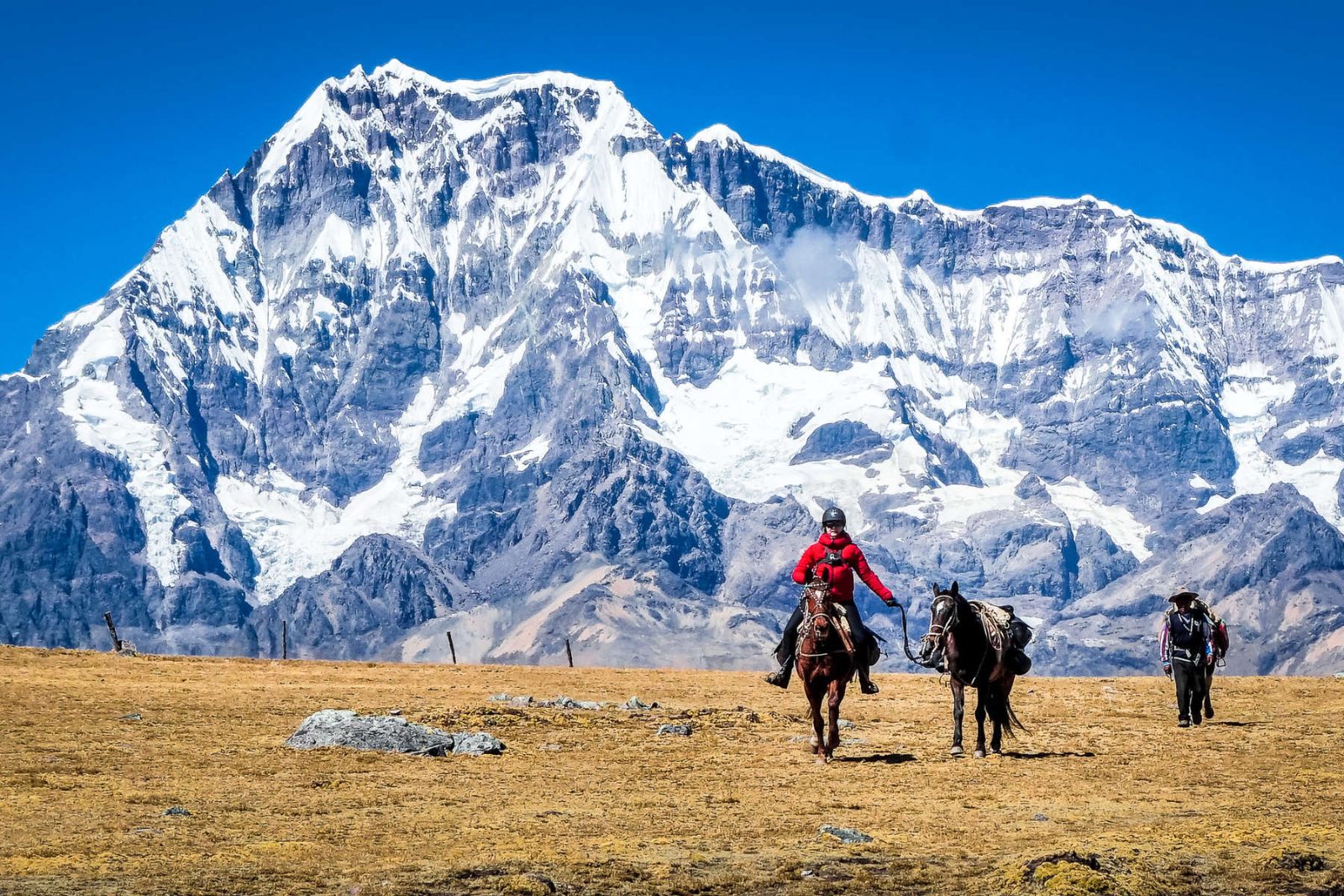
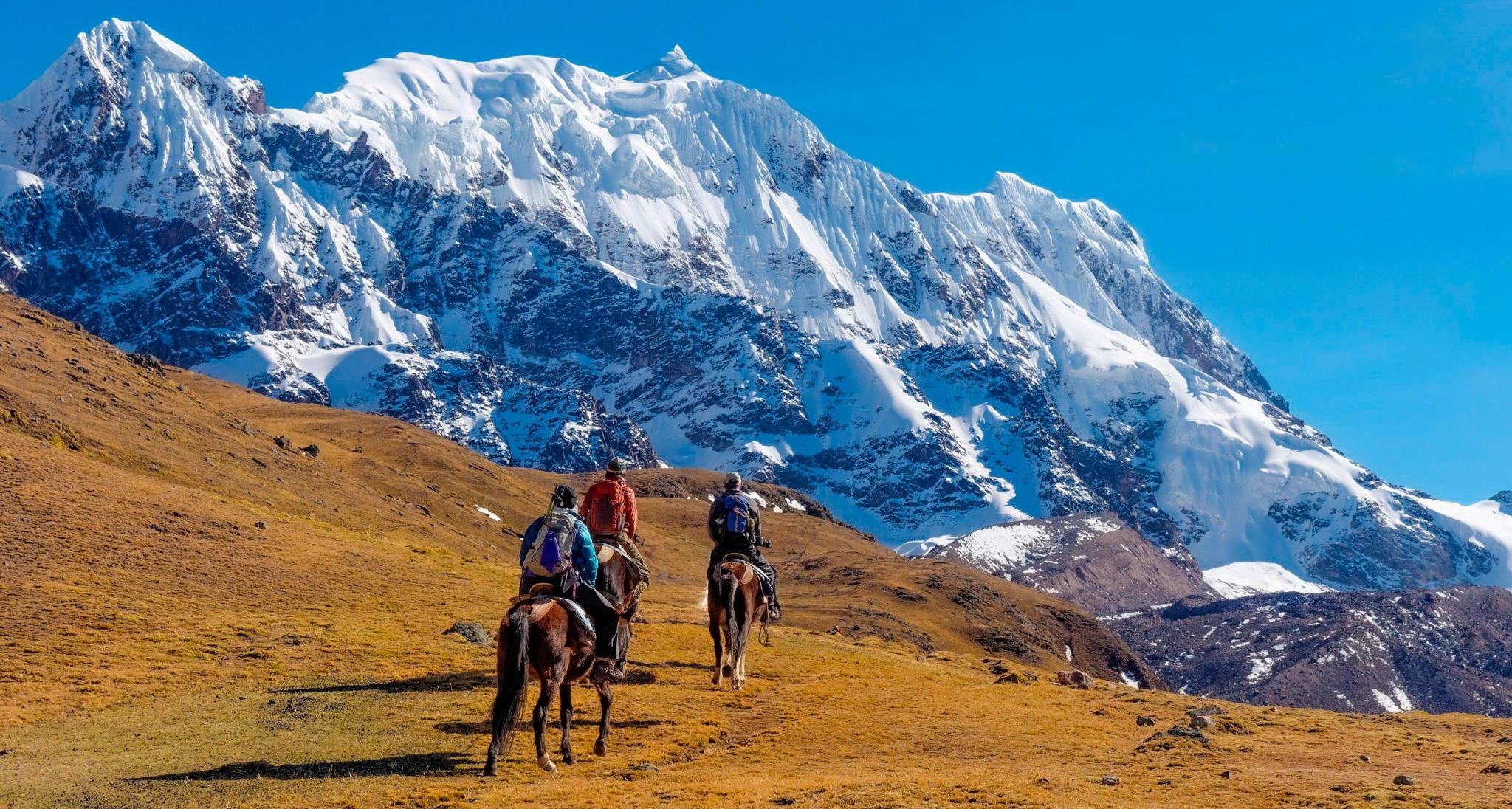
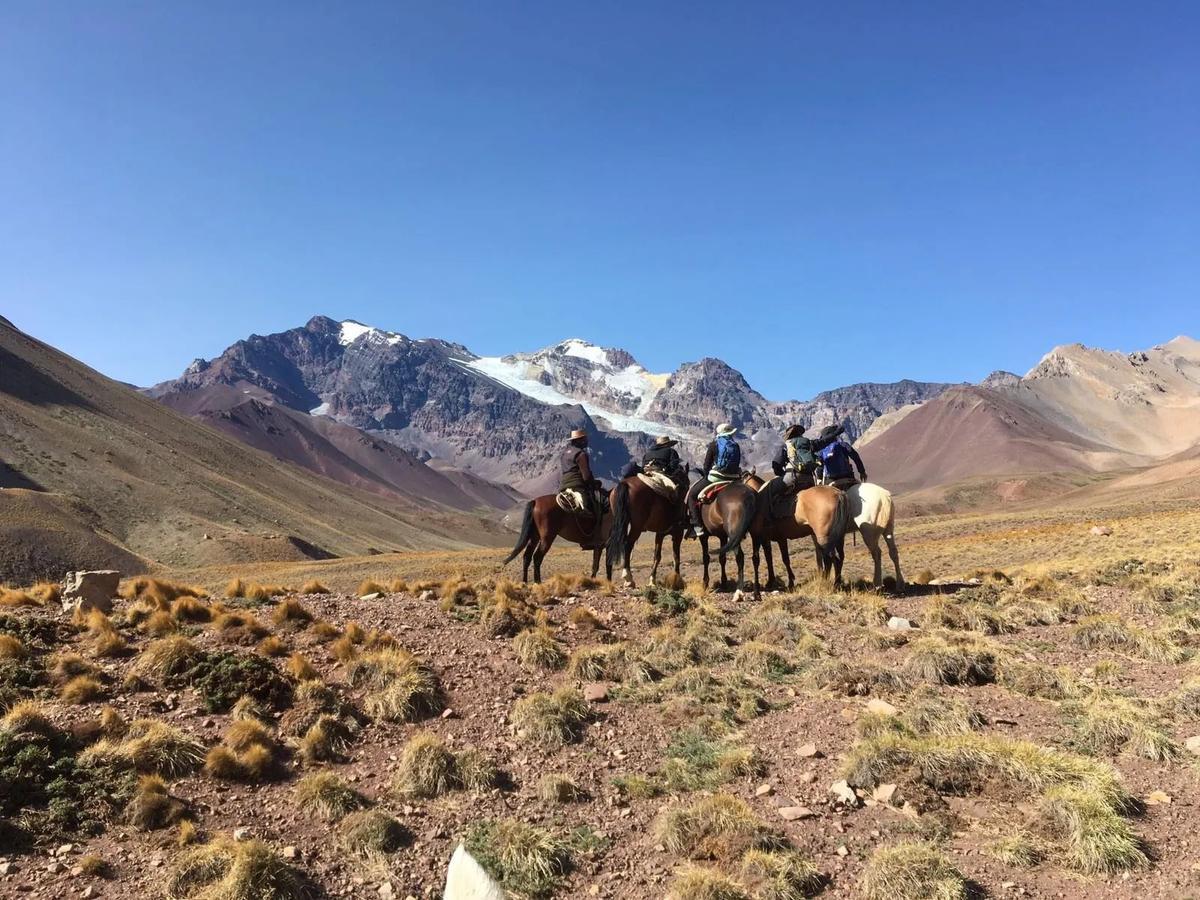
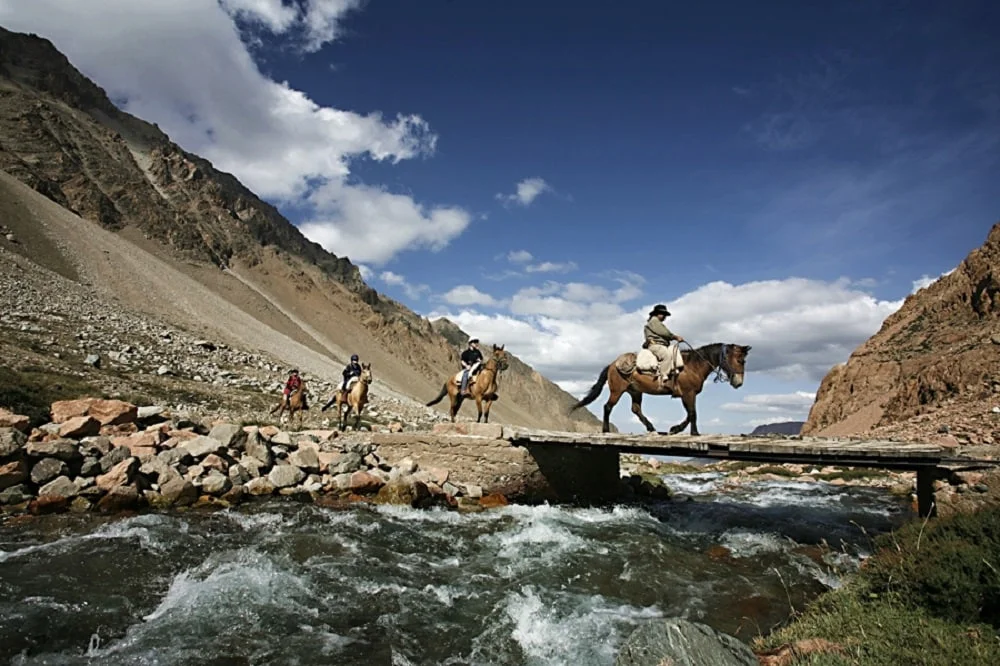
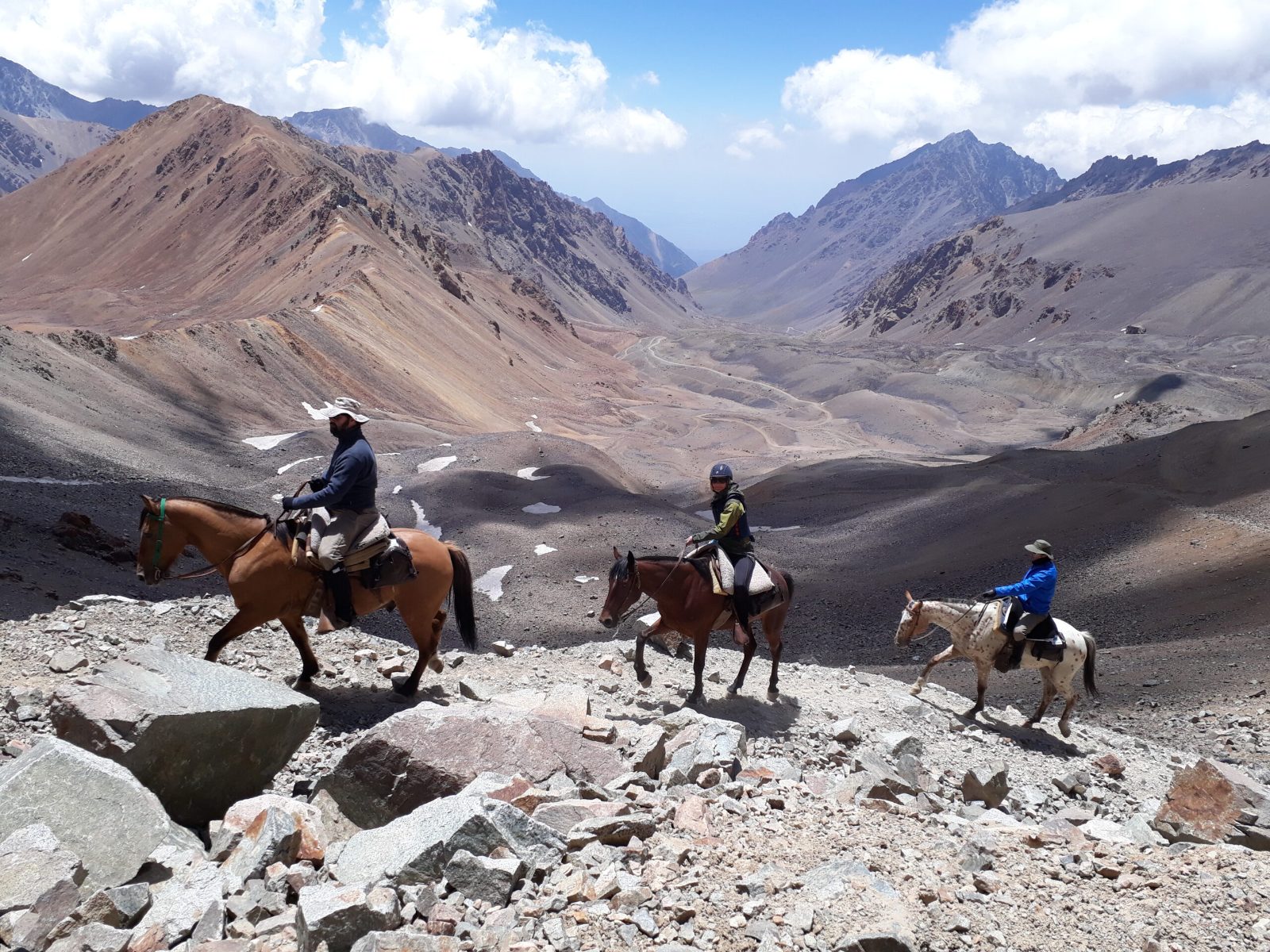
Glacier valleys and volcanic passes, crossed at the pace of criollo horses
Hand-picked by our editors — only the best 12 expeditions from 47 reviewed.
Verified partners for Horseback Riding in the Andes tours, free cancellation where available, and instant confirmation on every booking.
3 hr 30 min
Ride through the Andes on horseback and discover ancient Incan temples with panoramic city views
Reserve
3 hr 30 min
Ride through sacred Andean sites with a local guide, exploring temples and viewpoints off the beaten path.
Reserve
12 hr
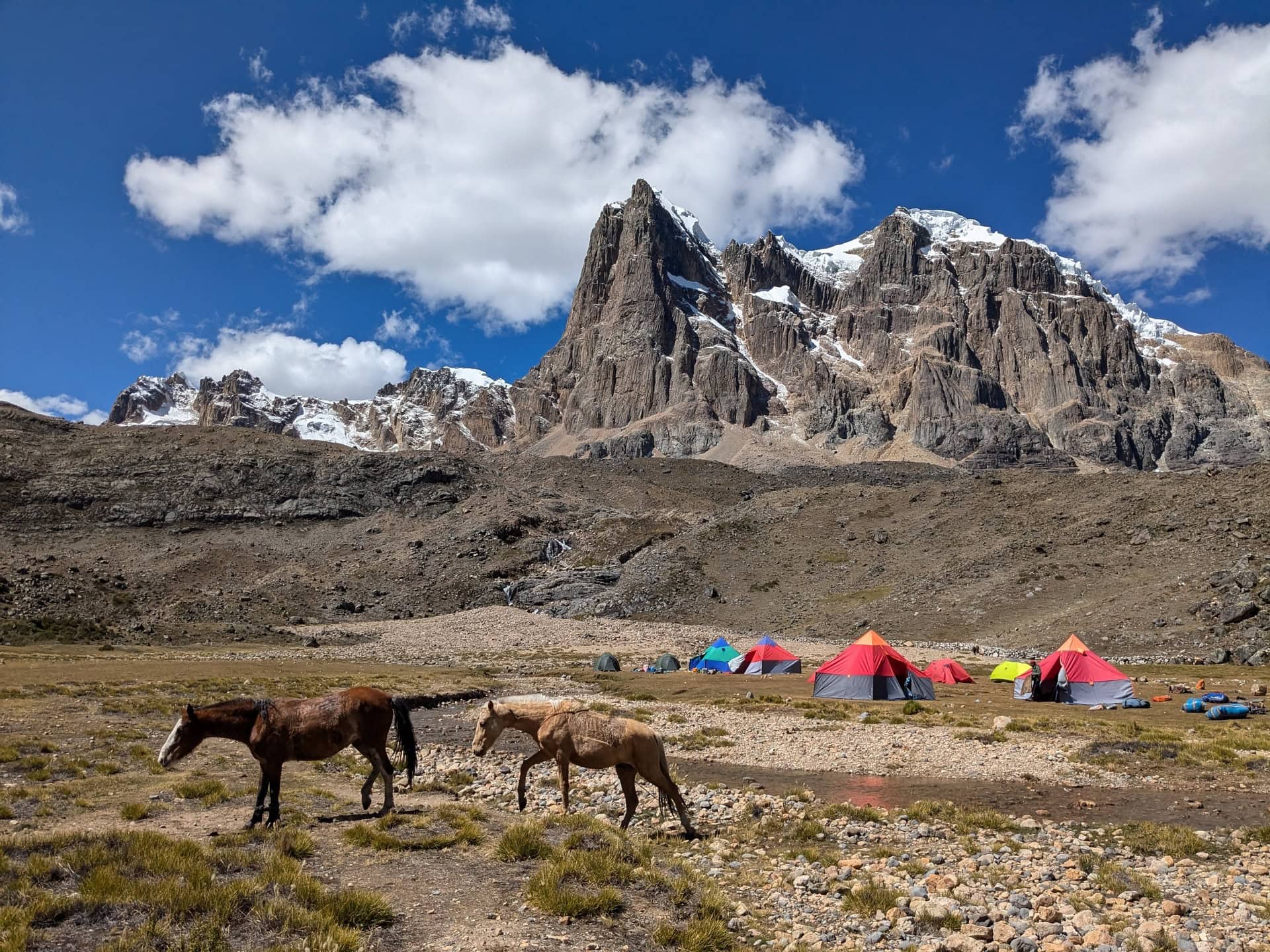
Ride through high-altitude Andean landscapes to seven turquoise lagoons beneath Peru's towering Ausangate peak
ReservePrices from verified partners. Availability updates in real time at checkout. Free cancellation policies apply where shown.
Every Horseback Riding in the Andes tour side-by-side — duration, what's included, how you redeem.
| Experience | Duration | Rating | Transfers | Pickup | Guide | Free cancel. | Price | |
|---|---|---|---|---|---|---|---|---|
|
Standard Entry Most popular
Horseback Ride to Temple of the Moon
|
3 hr 30 min | ★ 5.0 | — | ✓ | ✓ | ✓ | €52 | Book → |
|
Standard Entry
Horseback Adventure to Hidden Inca Temples
|
3 hr 30 min | ★ 4.9 | ✓ | — | ✓ | ✓ | €56 | Book → |
|
Guided Experience
Ausangate 7 Lakes Horseback Adventure
|
12 hr | ★ 4.6 | ✓ | ✓ | ✓ | ✓ | €78 | Book → |
All prices from verified partners. Availability and exact terms confirmed at checkout.
They complement each other; most visitors who do both call multi-day trekking the more physically engaging choice for reaching remote peaks. Travelers seeking a panoramic perspective through the Andes Mountains often prefer the lower exertion levels of horseback riding in the andes tours.
| Feature | Top pick Horseback Excursions | Multi-Day Trekking |
|---|---|---|
Physical exertion level |
Low to moderate | High |
Accessibility for varying fitness |
High accessibility | Requires good stamina |
Territory covered per day |
15–25 kilometers | 10–15 kilometers |
Equipment requirements |
Sturdy boots and layers | Technical gear and packs |
Comfort level |
Saddle support provided | Backpacking conditions |
Suitability for high altitude |
Excellent with acclimation | Challenging without preparation |
| See tickets → |
Verdict: Choose the horseback riding in the andes tour for scenic efficiency, or opt for multi-day trekking to test your endurance against the rugged terrain, keeping in mind that no horseback riding in the andes tickets are required for entry.
Choose your ticket, select your date, and reserve in under two minutes. Secure checkout handled by our verified partner.
Instant confirmation by email, with a mobile voucher you can save offline. No printing, no queuing at a collection desk.
Arrive at the entrance, show your voucher on your phone, and walk in. Most tickets include priority or skip-the-line access.
Practical details for Horseback Riding in the Andes tickets straight from our verified partners — hours, access, rules, and how to get there.
Varies by operator
Confirm pickup logistics via your booking confirmation
Open in Google MapsRental 4x4 vehicles are the primary mode to reach remote ranches. Follow designated local access roads as indicated by your operator.
Wear sturdy, closed-toe boots with a small heel to prevent slipping in stirrups. Long trousers are essential to protect legs from coarse mountain vegetation during horseback riding in the andes.
Keep belongings minimal, as saddlebags have limited capacity. Most ranch operators for horseback riding in the andes require gear to be secured to the horse or carried in a small, tight-fitting backpack.
Bring a secure camera strap to prevent equipment damage during movement. Horseback riding in the andes offers wide landscapes, so wide-angle lenses are recommended.
Horseback riding in the andes requires basic physical stability for mounting and dismounting. Riders should communicate physical limitations to tour operators before booking mountain excursions.
Mobile signal is unreliable in remote high-altitude sectors. Use offline maps and keep devices protected from dust and potential falls during horseback riding in the andes.
Minimum age requirements vary by ranch for horseback riding in the andes. Children should be accompanied by adults and wear appropriately sized safety helmets at all times.
Carry sufficient water, as high-altitude environments lead to rapid dehydration. Operators offering horseback riding in the andes often provide light snacks, but personal supplies are advised for full-day trips.
Pets are generally not permitted on group tours for horseback riding in the andes. Check with specific ranches regarding private excursions.
High-altitude sun exposure is intense even on cloudy days. Apply protection frequently throughout your horseback riding in the andes experience.
Varies by operator
Confirm pickup logistics via your booking confirmation
Get directionsBest time to go, insider tips, nearby landmarks, and the cancellation fine print — flip through to skim what matters to you.
How crowds, weather, and events shift across the year.
September to November offers stable conditions for horseback riding in the andes tours. Moderate temperatures facilitate comfortable long-distance riding.
Small details that turn a good visit into a great one.
Spend at least two days at high altitude before attempting intense horseback riding in the andes. This reduces the risk of altitude sickness during your physical activity.
Non-bookable sights within a short walk — free to visit, easy to pair.
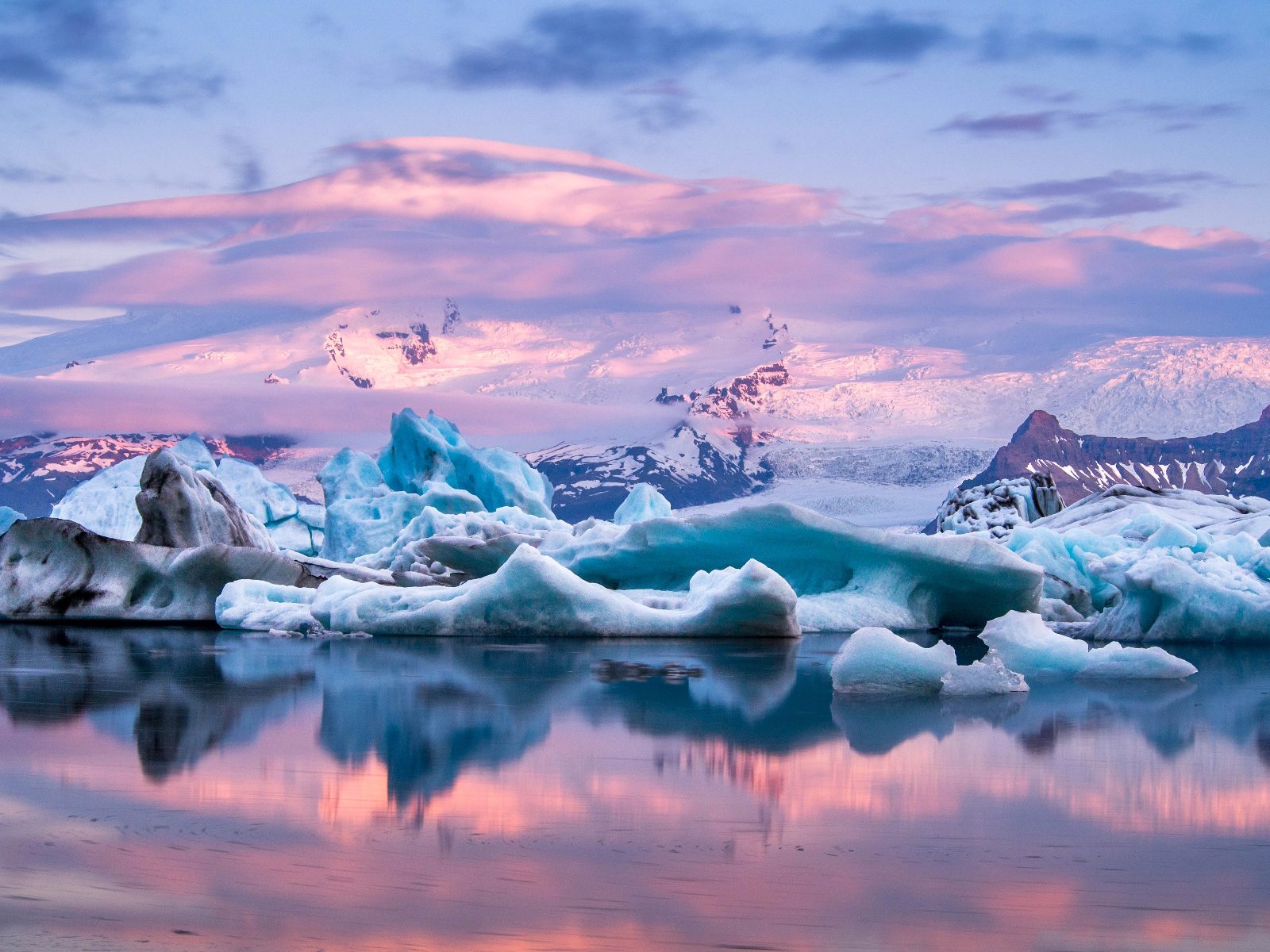
Massive ice formations visible from mountain passes.
Flexible, no hidden fees.
Individual operators set their own cancellation policies for horseback riding in the andes. Confirm refund eligibility directly with your chosen ranch when securing your 0 USD entrance fee spot.
Hand-picked options within walking distance — pick a district for vibe, or a specific hotel for convenience.
Comfortable lodging located near main trailhead.
The criollo horse, descended from Spanish stock brought to South America in the 16th century, remains the only breed capable of sustained work above 4,000 metres without respiratory distress.
Its compact build and slow metabolic rate allow it to carry riders across glacial moraines and scree fields where motorized transport cannot reach. By the early 20th century, ranches in Argentina and Chile had bred regional lines adapted to specific Andean microclimates—Mendoza criollos for dry, high-altitude passes; Patagonian stock for wind and extreme cold. These animals became the logistical backbone of cross-border trade, military patrols, and geological surveys long before the Pan-American Highway connected the continent.
Horseback riding in the andes mendoza routes follow the same trails that connected Argentine vineyards to Chilean ports during the nitrate boom. Multi-day expeditions depart from estancias in the Aconcagua Valley, ascending through scrubland into the precordillera where the Andes rise abruptly from 1,200 to 5,000 metres. Riders cross the Uspallata Pass, the historical corridor for the Army of the Andes in 1817, and traverse snowmelt rivers that feed the Mendoza River basin. The trails are unmarked beyond 3,500 metres; navigation relies on baqueanos, local guides whose knowledge of weather patterns and safe fording points is passed down generationally.
Horseback riding andes santiago excursions operate from the Cajón del Maipo, a narrow valley carved by the Maipo River 50 kilometres southeast of the capital. Day rides reach the Embalse el Yeso, a turquoise reservoir framed by sedimentary peaks, while week-long circuits penetrate the Volcán San José massif, where fumaroles vent sulfur at 5,856 metres. Chilean outfitters favour longer stirrups and wider saddles than their Argentine counterparts, a distinction rooted in huaso riding traditions that prioritize endurance over speed. The southern cordillera, from Pucón to Coyhaique, presents a different terrain: temperate rainforest, volcanic ash trails, and river crossings where horses wade chest-deep through glacial melt.
The andes mountain horseback tours industry expanded in the 1990s as former working ranches pivoted to tourism, converting sheep stations into base camps for multi-day treks. Infrastructure remains minimal by design—most routes lack cell coverage, and accommodations consist of canvas tents or stone refugios built by the Chilean forestry service decades earlier. Riders sleep at altitudes where water boils at 85 degrees Celsius and where the only sounds after dark are wind and the rhythmic chewing of hobbled horses. The absence of guardrails, both literal and regulatory, means that horseback riding in the andes remains one of the few South American activities still governed by the skill of the guide rather than the standards of an agency.
"The criollo remains the only breed capable of sustained work above 4,000 metres without respiratory distress."
A step-by-step walkthrough of Horseback Riding in the Andes tickets — what you'll see, how long each stage takes, and the details that matter.
You arrive at the estancia before first light, when the criollos are still clustered near the corral and the snow on distant peaks glows pale violet. Your guide adjusts your stirrups two notches shorter than you expect, explaining that steep descents require your weight forward, not back.
The first hour is flat—gravel roads through scrubland where guanacos scatter at the sound of hooves—but by mid-morning you are climbing switchbacks carved into the mountainside, each turn revealing another layer of cordillera stacked to the horizon.
You stop at a stone refugio for lunch: bread, cheese, and mate passed in a shared gourd. The altitude is perceptible now—your breath shortens on the walk to the creek, and the horses drink for minutes at a time. The afternoon ride follows a glacial moraine, the trail no wider than the horse itself, with a thousand-metre drop to your left and a scree slope to your right. You do not speak. Your guide does not speak. The only instruction is the angle of his body as he leans into the climb.
Camp is a flat shelf of grass beside a meltwater stream, the tents erected while you unsaddle and hobble your horse. Dinner is stew cooked over a wood fire, eaten in silence because the wind is too loud for conversation. You sleep at 3,800 metres, wake to frost on the tent fly, and ride higher.
The operating hours are 08:00–18:00 daily.
It is recommended to arrive during the best arrival window of 08:00–10:00 for the best weather conditions.
Many operators for horseback riding in the andes offer beginner-friendly horses and guided trails.
Wear long trousers and sturdy boots; these are essential for safety during horseback riding in the andes.
Yes, though age limits vary by operator for horseback riding in the andes tours.
There is 0 USD entrance fee, but you must secure your spot with an operator for horseback riding in the andes.
Yes, bringing water and snacks is encouraged for all horseback riding in the andes excursions.
Start between 08:00–10:00 to enjoy clearer weather for your horseback riding in the andes experience.
Yes, photography is permitted and encouraged during horseback riding in the andes tours.